“coffee fruit processing” search results (7000)
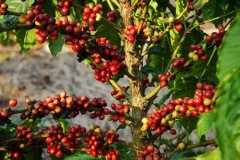
The process from fruit to raw coffee beans from harvest to delivery
A coffee tree can harvest 3-5 kg of fruit, and raw coffee beans account for 1. 5% of the fruit quality. Going from fruit to raw coffee beans is really a time-consuming and laborious task. Arabian, Robusta and Liberian Arabian coffee account for about 2% of the world's coffee production. The plant is not suitable for high temperature, low temperature, more rain and less rain. Coffee beans are oval and flat, with high quality
2015-08-24 Fruit coffee beans get delivery process one coffee tree can harvest 3-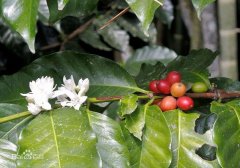
Briefly describe the processing process of coffee beans what are the processing methods of coffee processing?
There are three main methods of processing coffee: drying method, semi-dry treatment method and non-dry treatment method. The last method of treatment is adopted in Yunnan. The purpose of the treatment is to peel the coffee beans, reduce the water content of the coffee beans to a level suitable for preservation, and then deal with the coffee beans according to the market demand. Coffee fruit consists of exocarp, slimy pulp (mesocarp), and coffee beans.
2016-05-07 Brief introduction coffee beans processing process coffee methods several
The processing of coffee beans the process of processing coffee fruits
Sun-dried coffee beans [Pirajui in Sao Paulo, Brazil] there are two ways to prepare coffee beans for roasting. The method chosen has a significant impact on the final price and quality of coffee. The cheapest method of processing is called drying, which is used for lower-grade coffee beans, while higher-quality coffee beans are processed by wet treatment.
2015-03-20 Coffee beans processing coffee fruits steps processes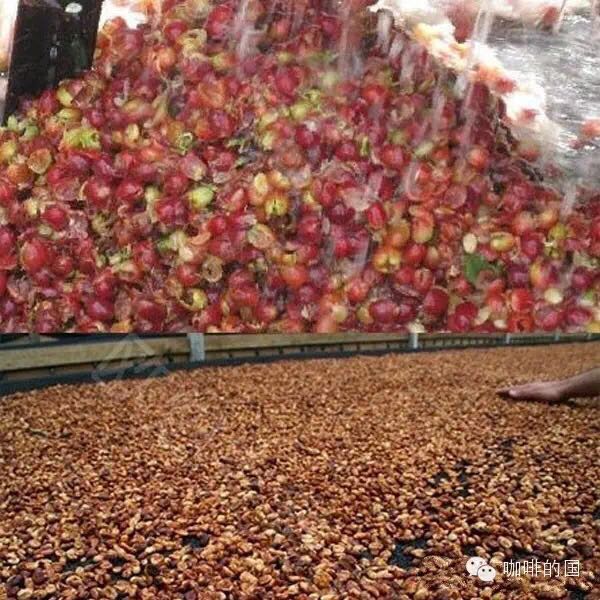
What is the secret handling of coffee beans? China Coffee Network, do you know how coffee fruits are handled?
4. Honey treatment Today, honey treatment is used in almost all the producing areas of Costa Rica. This method is also widely spread throughout Central America. Because the surface mucosa of coffee beans is extremely sticky and smooth and the sugar content is extremely high, it is often called honey. In the process of honey treatment, coffee will leave some or all of the honey when it is dried. After picking, grading and peeling the coffee fruit, it will be
2016-04-25 Processing coffee beans how China coffee net you you know all how to deal with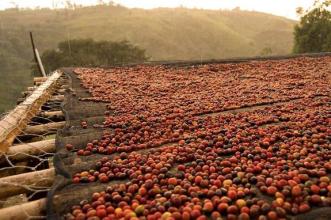
The treatment method of Coffee Fruit-- the introduction of Solar method and its difference from Water washing method
The solarization process can also be called a natural process, which is basically the oldest, simplest, and requires the least mechanical tools. The first step is to sort and clean it up first. Immature, overripe, damaged coffee fruits will be singled out first. At the same time, the branches, leaves, mud and stones mixed in the fruit will also be removed. Sieves are usually used to deal with this preliminary
2016-01-11 Coffee fruit treatment method solarization introduction and its difference from water washing etc.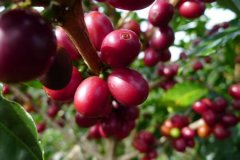
The process from fruit to raw coffee beans the basis of coffee beans
A coffee tree can harvest 3-5 kg of fruit, and raw coffee beans account for 1. 5% of the fruit quality. Going from fruit to raw coffee beans is really a time-consuming and laborious task. Arabian, Robusta and Liberian Arabian coffee account for about 2% of the world's coffee production. The plant is not suitable for high temperature, low temperature, more rain and less rain. Coffee beans are oval and flat, with high quality
2015-06-06 Fruit coffee beans process base one coffee tree can harvest 3-5 kg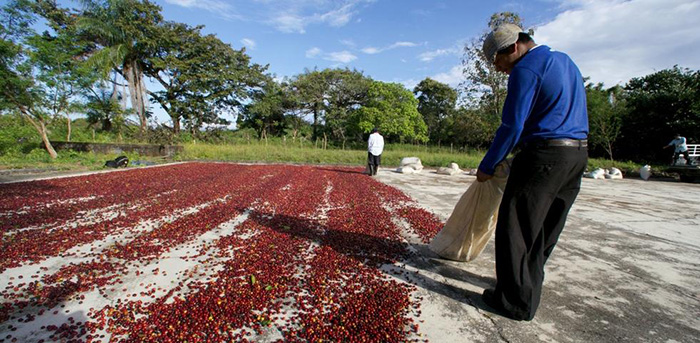
The treatment of raw coffee beans: a detailed introduction to the sunburn method
The solarization process can also be called a natural process, which is basically the oldest, simplest, and requires the least mechanical tools. The first step is to sort and clean it up first. Immature, overripe, damaged coffee fruits will be singled out first. At the same time, the branches, leaves, mud and stones mixed in the fruit will also be removed. Sieves are usually used to deal with this preliminary
2015-12-01 Coffee raw beans treatment method solarization details introduction insolation process also available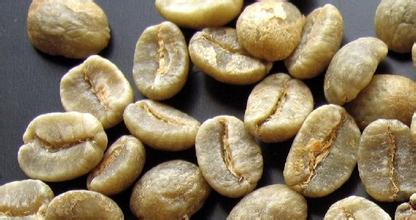
The main points of knowledge of coffee beans: a detailed introduction of the process from fruit to raw coffee beans
Coffee training basics-from fruit to raw coffee beans: a coffee tree can harvest 3-5 kilograms of fruit, and raw coffee beans account for 5% of the fruit quality. Going from fruit to raw coffee beans is really a time-consuming and laborious task. Arabica and Robusta Arabica coffee account for about 2% of the world's coffee production. The plant is not suitable for high temperature, low temperature, more rain and less rain.
2015-12-22 Coffee beans knowledge essentials fruits coffee beans process details introduction coffee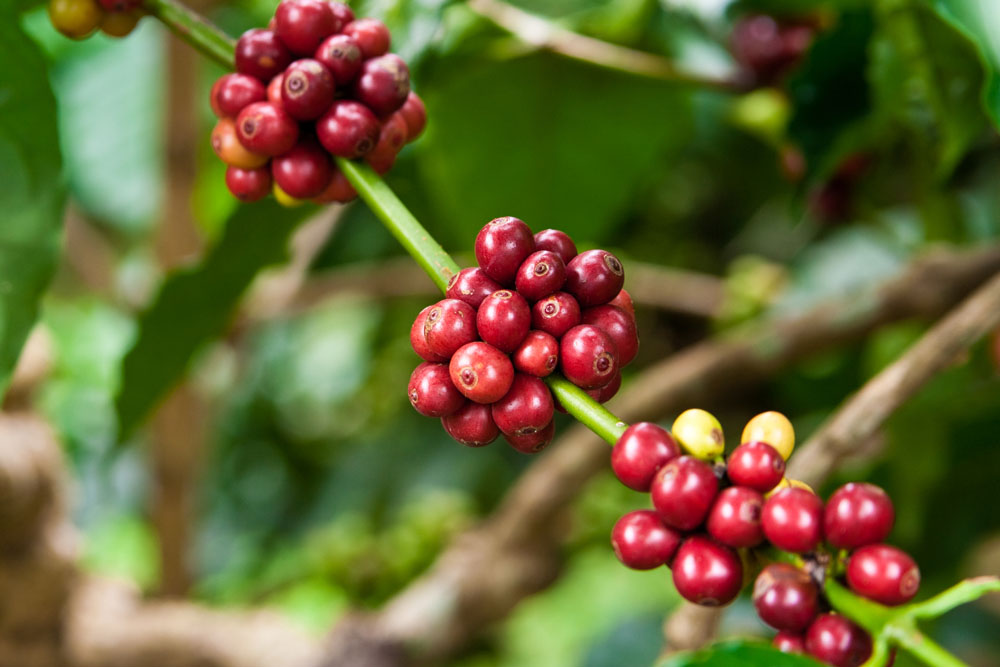
Strong tropical fruit flavor of Sillvia coffee Sillvia Solkiln N2
Sillvia Coffee is the result of the first Solkiln treatment of coffee from plot 11 in Rosa Manor in 2012. All the coffee in this plot was processed at the same time, but in the end only 25 kilograms of coffee with special flavor was successfully obtained. In 2013, we learned that the fresh rose fruit harvested at the end of the season absorbed more fruit during the Solkiln treatment.
2016-07-14 Sillvia coffee Solkiln strong tropical fruit taste
The treatment methods of raw beans should be analyzed.
1. Natural solarization (Natural/Dried-in-the-Fruit): the process of this method is the simplest. The fruit begins the process of sun drying without treatment after picking. This is the oldest method of treatment in existence. This method is still used in places such as Ethiopia and Brazil. Natural solarization is most common in areas where water resources are scarce. The process of drying is usually
2016-06-06 Raw beans treatment methods should Analysis Natural Solar
Processing methods and taste of raw coffee beans
Love coffee, is an elegant way of life, love coffee, let us get together. To share the fun of coffee, please add Wechat personal number: 18661895972 to communicate at any time, thank you. Coffee has become the darling of the beverage industry because of its strong flavor, round taste and mellow taste. People's busy work is inseparable from the refreshing effect of coffee, and people have less leisurely life.
2016-09-01 Coffee raw beans processing way and its taste coffee a kind of elegance
Rwandan coffee flavor introduction Rwandan coffee characteristics Rwandan coffee processing methods
With the improvement and upgrading of Rwandan coffee in all aspects, its quality has also made a qualitative leap. Rwanda's Anomeca Premium Washed Bourbon defeated Jamaica Blue Mountain No. 1 and Sumatra Mandning G1 Special to retain the title in the 2008 COE Competition organized by the American Boutique Coffee Association SCAA. Rwandan coffee has won a place in the coffee world with its excellent quality.
2016-07-27 Rwanda coffee flavor presentation characteristics treatment method with parties face
Roasting of Coffee and planting of Coffee trees
Coffee is a perennial evergreen shrub or small tree of Rubiaceae. It is a horticultural perennial cash crop with the characteristics of fast growth, high yield, high value and wide market. Wild coffee trees can grow to a height of 5 to 10 meters, but coffee trees planted on the manor are often cut to less than 2 meters in order to increase their fruit and facilitate harvesting. The first flowering period of a coffee tree is about the age of the tree.
2015-11-04 Coffee roasting species planting coffee grasses perennials evergreen shrubs trees
Harvest, processing and storage of coffee beans
The harvest of coffee beans in winter every year, that is, the dry season, is the harvest period of coffee beans. After three to four years of growth, coffee trees are maturing and begin to bear fruit. The fruits are arranged in strings or clumps next to the branches. The coffee beans are wrapped in a red coat and can be picked as soon as they turn red. Most Arabica coffee beans mature in June and August, and Robasta coffee beans
2014-06-10 Coffee beans processed stored
The fruit picking process of coffee beans-berry treatment-drying
The coffee beans we are talking about are actually the seeds of a fruit similar to cherries. Coffee trees produce berries, called coffee berries, whose bright red color means they are ripe and ready to be picked. The fruit clustered on the branches. The outer skin (exocarp) of coffee berries is thick and bitter. However, the fruit (mesocarp) inside is very sweet and has the texture of grapes. And then there's parenchyma, which is like
2015-03-20 Coffee beans fruit picking process berries treatment drying we say coffee
The method of picking Coffee the effect of planting and picking process on the Flavor of Coffee beans
Picking can be divided into mechanical and manual picking, and manual picking is divided into picking in pieces (that is, picking all the beans after a walk in the garden) and selective picking (that is, at 10-day intervals of 8 May. walk between trees a few times and only pick ripe red berries).
2022-08-21 Coffee knowledge coffee picking picking methods picking process
Yunnan Coffee Plantation in Spring all year round
Coffee bean flowers are also very beautiful, dark green leaves on the branches, with a strong aroma of white flowers, after a few months, bear cherry-like red fruit. Yunnan coffee belongs to Arabica tree species, so it is self-pollinated without insects (insects are only interested in the flowers of Robster trees). Coffee
2016-07-11 Spring all year round Yunnan coffee plantations introductions manors coffee beans flowers too
Five steps in the coffee production process from coffee fruit to a cup of coffee
① peeling: remove the skin, pulp and silver skin of coffee fruit by drying or washing. ② fermentation: the mucus and film outside the bean are removed by fermentation. ③ roasting: coffee can be roasted to release the special aroma, divided into light roasting, medium roasting and deep roasting. ④ grinding: the grinding thickness is determined according to different varieties and cooking methods. ⑤ cooking: using different cooking methods to extract the essence of coffee.
2015-01-14 Coffee production process one cup process peeling drying washing removal coffee outside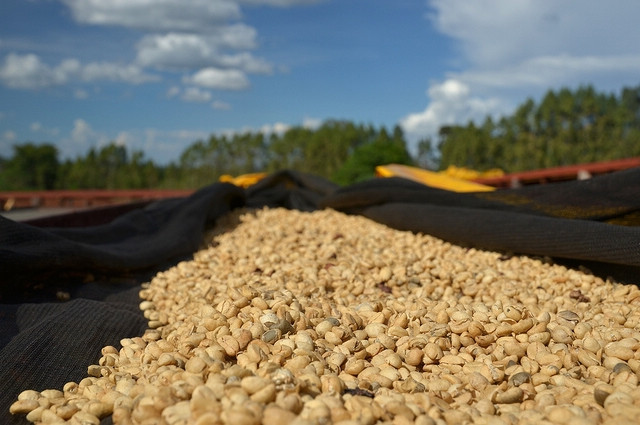
What is Solar treatment? Guava Plain Manor in Guatemala New Oriental region
Sun drying: the sun drying method is also called natural drying because it uses natural sunlight to dry the fruits and raw beans of coffee. Due to the use of artificial and natural treatment methods in the process, the sun-cured beans look irregular and unflattering in appearance. 1. Choose beans: put the harvested fruit in the water tank, and the ripe fruit will sink, while the unripe and overripe fruit
2016-03-30 What solarization processing Guatemala New Oriental producing areas guava plains manors
Five processes of coffee technology from coffee fruit to a cup of coffee
① peeling: remove the skin, pulp and silver skin of coffee fruit by drying or washing. ② fermentation: the mucus and film outside the bean are removed by fermentation. ③ roasting: coffee can be roasted to release the special aroma, divided into light roasting, medium roasting and deep roasting. ④ grinding: the grinding thickness is determined according to different varieties and cooking methods. ⑤ cooking: using different cooking methods to extract the essence of coffee.
2014-10-11 Coffee knowledge coffee technology coffee fruit coffee processing